
St. Peter’s Orthopedics: Provides a Full Spectrum of Comprehensive Bone and Joint Care

Open since May 2025, the practice takes an integrated approach to ensure patients and providers have streamlined access to medical records. This connectivity through the St. Peter’s Health Partners EMR makes care more seamless and communication easier.
“Our goal is simple: to give patients access to the latest orthopedic innovations as we provide quality and efficient care centered around each patient’s needs,” said Imran Akhtar, DO, who founded the practice with Hamza Murtaza, MD.

Accessibility
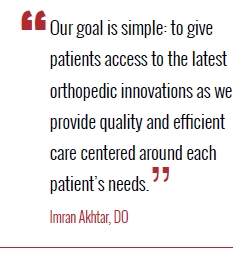
St. Peter’s Orthopedics in Latham has expanded from its two founders to a staff of six physicians and two advanced practice providers. Each doctor brings his own sub-specialty to the practice.

“That expansion is due to demand, but we also wanted to  make sure we offer every sub specialty,” said Dr. Akhtar, DO. “Now we can provide comprehensive musculoskeletal care from the spine, shoulders, and hands, to hips, knees, foot and ankles.”

The orthopedic practice is a part of St. Peter’s Health Partners Medical Associates, which is a division of St. Peter’s Health Partners. The medical group includes more than 1,100 physicians and advanced practitioners in more than 130 locations around the Capital Region.

St. Peter’s Health Partners is the region’s largest and most comprehensive, notfor- profit network of high-quality, advanced medical care, primary care, rehabilitation, and senior services. It is a member of Trinity Health, one of the nation’s largest Catholic health systems, operating 92 hospitals in 25 states.
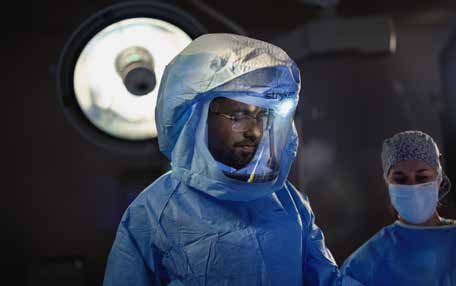
Making It Easy for Patients
Additionally, St. Peter’s Orthopedics offers an orthopedic walk-in clinic Mondays through Fridays from 8 a.m. to 4 p.m. at the Latham location.

“The clinic has been a huge draw where patients don’t have to schedule a visit or wait too long to see an orthopedic surgeon,” said Dr. Akhtar. “They can walk in, and we will see them.”

From the opening of the practice, it was important to build the services around the needs of the patients.

“From the beginning, we wanted to do things differently,” added Dr. Akhtar.

“We wanted to make sure patients never feel rushed.”

It was also important to offer a wide scope of services.

“We offer a one-stop shop where services are as accessible and convenient for people in their busy lives as we can make it,” added Kyle Angelicola Richardson, MD, whose orthopedic specialty is the upper extremity and wrist.

Team of Experts
The orthopedic team brings together exceptional expertise and experience to deliver the best possible outcomes. All surgeons are fellowship trained, bringing cutting-edge orthopedics to the practice’s patient-centered model. The  specialists cover a wide range of care – from roboticassisted surgery to personalized ankle and foot care.
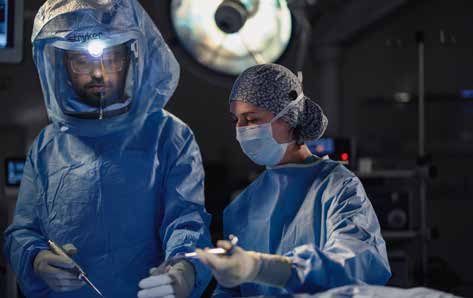
Dr. Akhtar, who is board certified, specializes in joint replacement and reconstruction. He completed his residency in orthopedic surgery at the Oklahoma State University – Center for Health Sciences in Tulsa. After finishing his residency, he spent an additional year completing an American Association of Hip and Knee Surgeons Fellowship in Hip and Knee replacement at Desert Orthopedic Center in Las Vegas, Nevada. Dr. Akhtar specializes in minimally invasive hip replacement, which reduces the size of surgical scars and expedites postoperative recovery. He performs direct anterior hip replacements and has an interest in partial knee arthroplasty and robotic assisted knee replacement. “My approach to medicine is rooted in empathy and respect. I treat every patient as I would want my own family to be treated. Listening is at the heart of my practice,” Dr. Akhtar said. “By truly hearing my patients’ concerns, we can build a personalized and effective care plan that supports their recovery and long-term well-being.”
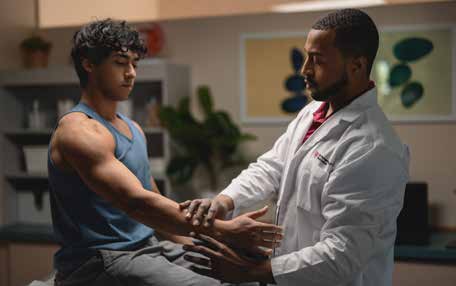
Dr. Murtaza brings his expertise in hip and knee surgery to the orthopedic team. He received his medical degree from SUNY Upstate Medical University in Syracuse. He completed a residency in orthopedics at Albany Medical Center, followed by a fellowship in adult reconstruction at NYU Langone Hospital in New York City.

He specializes in both primary and complex hip and knee replacements, and is adept at hip surgery, especially the direct anterior approach to optimize patient recovery. He also specializes in total and partial knee replacement, revision hip and knee surgeries, and general trauma injuries.

“There is no greater feeling than to see a patient come in, and over time, make the transition from a wheelchair to a walker to a cane, and then walking independently,” said Dr. Murtaza. “It has to be one of the more gratifying things to experience in all honesty. That’s the foundation of patient care.”

Dr. Angelicola-Richardson, who is boardcertified, focuses on issues of the upper extremity and wrist. He is a graduate of SUNY Upstate Medical University in Syracuse. He completed his orthopedic surgery residency at Albany Medical Center, where he gained extensive experience in trauma and reconstructive procedures. He further honed his skills through a prestigious fellowship in hand and upper extremity surgery at New York-Presbyterian/Columbia University Irving Medical Center in New York City, one of the nation’s leading programs in this specialty. He spent time at St. Peter’s during his residency, so he knew of the highquality, compassionate care offered by the clinicians at St. Peter’s.
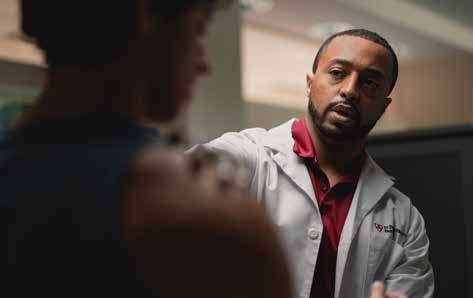
“It is an outstanding organization,” Dr. Angelicola Richardson said, “but, most importantly, the quality of care and the commitment to the community align with my responsibilities to my patients.” Before joining St. Peter’s Orthopedics, Dr. Angelicola-Richardson served patients at Rome Health in Rome, New York, where he was known for his compassionate care and meticulous surgical outcomes.

Kevin McCracken, MD, who is boardcertified, leads the spine care team. He has worked two decades as a spine surgeon, first at his own practice in New Jersey and then in Florida.

“St. Peter’s has everything I was looking for: the mission statement of providing for the community, plus working with a group of people covering every specialty,” he said. “We can treat the whole gamut; every aspect of care.”

In addition to his extensive surgical and academic training, McCracken has broad experience in the treatment of
adult and adolescent patients with spine disorders. McCracken firmly believes in his mission to care for each individual patient and their total well-being, taking pride in providing compassionate, understanding, and supportive care.

Over the past 25 years, he has completed more than 10,000 spine procedures ranging from  minimally invasive procedures to complex reconstructive surgery for scoliosis and spinal deformity. He also has served as a spine trauma surgeon at a Level 1 Trauma Center for over 10 years.

Adel Mahjoub, MD, manages the foot and ankle care team. He earned his medical degree from the University of Pittsburgh School of Medicine in 2019. He went on to complete a five-year orthopedic surgery residency at Cooper University Hospital in Camden, New Jersey, where he developed a strong interest in foot and ankle pathology. He then pursued advanced fellowship training in foot and ankle surgery at Harvard Massachusetts General Hospital in Boston, Massachusetts, completing his fellowship in 2024.
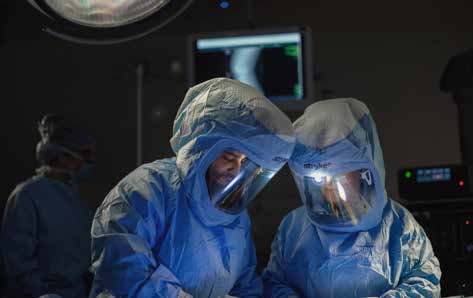
Dr. Mahjoub’s clinical expertise spans the full spectrum of foot and ankle care. He has specialized training in minimally invasive techniques, ankle arthroscopy, ankle fusion, total ankle replacement, flatfoot reconstruction, and bunion correction. He also treats a wide range of tendon and soft tissue conditions, including disorders of the Achilles and peroneal tendons.

“I focus on the care of sports injuries and arthritis, with an emphasis on minimally invasive techniques,” Dr. Mahjoub said. “It is deeply rewarding to apply my hands on skills to restore function, relieve pain, and support patients as they return to their daily lives.”

Board-certified Peter Shaughnessy, MD, leads the hand and wrist specialty program. He graduated valedictorian from the University at Buffalo School of Medicine and Biomedical Sciences and went on to complete his residency in orthopedic surgery at Dartmouth- Hitchcock Medical Center in New Hampshire. Dr. Shaughnessy then completed a fellowship in Hand and Upper Extremity Surgery at NYU Langone Health in New York City which included microvascular training.

Dr. Shaughnessy’s professional interests include complex upper extremity trauma, arthritic conditions of the hand and wrist, peripheral nerve surgery, and arthroscopy. He is board-certified and has more than 10 years of experience. “I wanted to join an employee owned orthopedic group,” Dr. Shaughnessy said, “and St. Peter’s is solidly behind us. The surgeons here can treat every orthopedic need. Our goal is to be a onestop shop for our patients. We’re excited for the future of orthopedics here and want everyone to know about it.”

Seamless Care
A huge component of delivering seamless patient care is communication, both verbally and electronically. The EMR at St. Peter’s Health Partners Medical Associates facilitates the in-house sharing of information.

The orthopedic team works closely with primary care providers and hospitals throughout the Capital Region to coordinate patient care.

“We use the same network the hospital uses, the same system  the primary care network uses -so we have seamless communication,” Dr. Murtaza said. “If the primary care doctor has questions, they can text me or send me a message on the same EMR. That goes a long way toward coordinating care. It avoids unnecessary tests and delays in patient care.”

Additionally, patients can access their medical records through Trinity Health’s MyChart application which is part of the EMR. This allows patients to make appointments, get test results, and communicate with their provider. The app can be accessed via the St. Peter’s website www.sphp.com/mychart.

Surgery and Rehabilitation
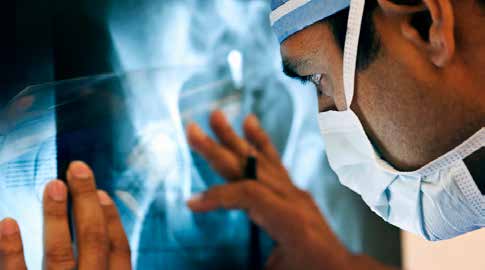
The surgical team uses the latest technologies and techniques to treat patients effectively. That means robotic assisted techniques for joint replacements, minimally invasive procedures, and advanced diagnostics.

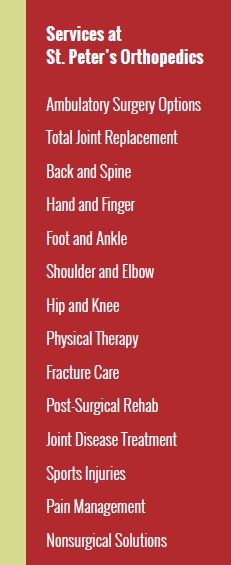
Not every orthopedic condition requires surgery. St. Peter’s Orthopedics follows a specific protocol for every patient: evaluation, therapy first, surgery when needed, and recovery and support. Non surgical options include joint disease treatment, physical therapy and rehabilitation, interventional pain management, bone health, platelet-rich plasma, shockwave, and electromyography.
St. Peter’s Orthopedics works with Sunnyview Rehabilitation, which has 12 outpatient clinics throughout Albany, Saratoga, Schenectady, and Renssalaer counties, and is a member of St. Peter’s Health Partners.

Care at Sunnyview differs from most other physical therapy offices in at least two ways – a therapist will work with a patient one-on-one and, if needed, will treat a patient in their home.

“Every area of orthopedics relies on physical therapy. They truly work hand in hand. I tell my patients that therapy is often underutilized,” Dr. Murtaza said. “With consistency, physical therapy can ease many problems and help people improve without medication or surgery.” When surgery is the only remaining option, the surgeons at St. Peter’s Orthopedics are eager to help patients recover and get back to living their lives. “I love a practice where you are able to deliver care and see results pretty much right away,” said Dr. Akhtar. “After a fracture, you can set their broken bone and help them get moving again. You feel a little sense of accomplishment that you contributed to that healing.”

The physicians at St. Peter’s Orthopedics also meet regularly, to collaborate and share their expertise to maximize patient experience and outcomes.

“For those patients who have complicated and multiple issues, it’s very important that we communicate between staff and physicians,” said Dr. Angelicola-Richardson. “We maintain an open line of communication and that helps patients feel welcome and heard.”

St. Peter’s Orthopedics is located at 1182 Troy Schenectady Road, Suite 100, Latham. You may reach them at (518) 269-4690. Regular office hours are Monday through Friday, 8 a.m. to 4:30 p.m., and walk-in clinic hours are Monday through Friday, 8 a.m. to 4 p.m.

Health Care Cuts and the Impact on Communities

By: Kathryn Ruscitto,
Advisor

I will not debate the politics behind the recent health care cuts, but I will share my concerns about their impacts.
The loss of Medicaid access for children and families, reductions in subsidies for those buying insurance on the public exchange, and cuts to programs that support families will be dramatic.

Rural communities, in particular, may see hospitals and outreach clinics close, with providers consolidating into larger hubs. Larger health systems, already strained by COVID and workforce challenges, may also struggle to survive.

Communities must begin planning for these impacts. Providers and planners are starting to analyze consequences and explore alternatives. In the North Country, a coalition of physicians and nonprofits has already published a white paper outlining local concerns. At the state level, groups like HANYS and HCA have issued urgent calls to action.

While some rollbacks may emerge in future negotiations, most of these cuts are likely to remain. The result: more uninsured individuals, delayed care, reduced access, and community program closures.

A small bright spot is the creative thinking now emerging. Some foundations are reassessing grantmaking and considering increased support. But no philanthropy can fully offset the scale of these cuts.

Has your practice considered the impact— and the opportunities to collaborate on solutions? 

National Resources
American Hospital Association (AHA) – Advocates for hospital viability and national policy solutions. https://www.aha.org/

• Alliance for Health Policy – Provides nonpartisan analysis on health coverage issues. https://www.allhealthpolicy.org/

• Brookings Center for Health Policy – Develops research based recommendations on health reform. https://www.brookings.edu/centers/center-on-health-policy/

New York State Resources
• Health Care for All New York (HCFANY) – Grassroots coalition advocating for affordable, quality care. https://hcfany.org/

• Medicaid Matters New York – Statewide group defending Medicaid and raising awareness about cuts. https://medicaidmattersny.org/

• Healthcare Association of New York State (HANYS) – Represents hospitals and health systems in Albany and beyond. https://www.hanys.org/

Kathryn Ruscitto, Advisor, can be reached at linkedin.com/in/kathrynruscitto or at krusct@gmail.com

The Corporate Practice of Medicine

By: Marc Beckman and Benjamin Goldberg

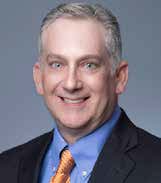
Benjamin Goldberg

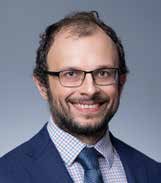
Marc Beckman

Almost two years ago, New York enacted PHL Article 45-A, which took effect on August 31, 2023. One of the intents behind this law was flagging large business consolidation in the healthcare field, potentially allowing New York’s Department of Health to regulate the increased transaction prices, reduced competition, or narrowed access to healthcare for residents of the state. Please see our previous article for more information on PHL 45-A here. Importantly, New York’s statute includes Managed Services Organizations (“MSOs”), even though they do not provide healthcare services themselves, as part of any healthcare-related transaction subject to review.

New York is not the only state to take steps, even if small ones, toward reinvigorating the Corporate Practice of Medicine (“CPOM”) doctrine, and the common law, statutes, regulations, and ideas that had previously undergirded it. In 2025 alone, 12 states, from California to Indiana to South Carolina, have introduced at least one bill each, intending, in some way, to revive CPOM doctrine and update it for the current century. As an example, one of the bills introduced in Connecticut is titled “An Act Prohibiting A Private Equity Firm From Acquiring, Owning Or Controlling A Health Care Provider’s Practice Or Health Care Facility And Requiring The Disclosure Of A Change In Ownership Of Such A Practice Or Facility.”

There are two obvious routes by which legislatures can strengthen statutory opposition to such corporate control of medical practices: 1) focus on the MSOmedical practice nexus by which previous CPOM doctrines have been circumvented, and 2) provide more tools for anti trust enforcement on the state level in order to give regulators the power to halt the industry consolidation. Taking New York’s PHL 45-A as an example, that law, in essence, provided some anti-trust regulatory power to the New York State Department of Health as it focused on the consumer harms of reduced competition. The other route, focusing on MSOs and their control of medical practices, is seen in proposed legislation in North Carolina and Vermont.

The North Carolina bill would prohibit common stakeholders between medical practices and MSOs. The bill also expressly reserves the right to make medical decisions for physicians under contract with an employer or working as independent contractors. Furthermore, the bill sets out that after receiving a complaint, the onus will be on the organization in question to prove, by explanations of the business structure and affirmations, that the physicians are in control of the medical decisions. And recently, on June 9, 2025, Oregon signed into law “An Act Relating to the Practice of Health Care,” which is taking aim at the MSO-practice model by prohibiting MSOs from having the ultimate authority over things like hiring physicians, setting work schedules and compensation, setting policies for billing and collection, and negotiating contracts with third-party payors. Another interesting aspect of the Oregon bill is that it takes direct aim at restrictive covenants. Restrictive covenants are a typical way for the MSO-medical practice model to control the ability of physicians to break away from their current employer, and as such, are a powerful tool in the arsenal of private equity and other nontraditional business organizations that have moved in the healthcare industry seeking profits.

Finally, physicians are also beginning to push back. In Am. Acad. of Emergency Med.Physician Grp., Inc. v. Envision Healthcare Corp., No. 22-CV-00421-CRB, 2022 WL 2037950 (N.D. Cal. May 27, 2022) and Hosp. Internists of Austin, P.A. v. Quantum Plus, LLC, No. 1:18-CV-466-RP, 2019 WL 1922051 (W.D. Tex. Jan. 23, 2019), physicians have sued business organizations affiliated with Kohlberg Kravis Roberts (KKR) and Blackstone, winning the case in Texas and forcing a strategic withdrawal from the KKR group from the entire California market rather than lose the case and face continued scrutiny.

While the last decade or more has seen the increasing financialization of the healthcare field, with private equity groups and even Amazon angling for a portion of the approximately four trillion dollars that flows through the US healthcare industry, there appears to be more and more signs that states and physicians are taking steps, even if halting and uneven, to return power and force to CPOM doctrines by updating statutes and increasing regulatory power in order to combat the means of control used by those non medical organization that have bought their way into the healthcare field and exerted control over physicians. While it is still too early to tell how this will shake out on a national scale for the healthcare industry, private equity, and other large corporate interests, it will be important to keep an eye on the developments in this arena over the next several years. It should also be noted that these recent developments, the new bills, and the strengthening of the CPOM doctrine do not easily break down along the partisan lines in the United States. With widespread polling showing sustained dissatisfaction with the healthcare industry in its current form, this could be a rare bipartisan focus for the future. 

If you have questions pertaining to the aforementioned changes, please contact Marc S. Beckman (mbeckman@lippes.com), Benjamin W. Goldberg (bgoldberg@lippes.com) or another one of our qualified Health Care Practice Team members at Lippes Mathias.

Benefits of Content Marketing

Increased Brand Awareness
• Consistently publishing valuable and relevant content helps to increase visibility. As your content reaches a larger audience, more people become familiar with your brand.

Establishes Authority and Expertise
• By providing high-quality, informative content, you position your business as an authority in your field. This helps build trust and credibility with your audience. 

Improved SEO and Organic Reach
• Quality content that is optimized for search engines (SEO) can help your website  rank higher on search engine results pages (SERPs). This boosts your organic traffic.

Engagement with Audience
• Content marketing encourages interaction with your audience, whether through comments, shares, or likes. This helps in building a community around your brand.

Lead Generation
• Well-crafted content can help  attract potential customers and drive them down the sales funnel. Offering valuable content, like whitepapers or ebooks, in exchange for email subscriptions can be an effective way to gather leads.

Cost-Effective Marketing
• Compared to traditional forms of advertising, content marketing can be a more affordable long-term strategy. Once content is created, it can continue to generate value over time without ongoing costs.

Better Customer Relationships
• Content allows you to directly communicate with your audience, answer their questions, and address their pain points. This strengthens customer loyalty and satisfaction.

Supports Other Marketing Channels
• Content marketing supports various other marketing efforts, like printed media, social media, email marketing, and paid ads. For example, blog posts can be shared on social media, driving traffic to your website.

Increased Conversion Rates
• Engaging and relevant content can help move prospects closer to conversion by addressing their specific needs and demonstrating how your products or services can solve their problems.

Long-Term Results
• Content that continues to provide value can work for you over time, generating leads and traffic long after it’s published. Blog posts, videos, and infographics can attract new audiences months or even years after they’re created.

Builds Trust and Relationships
• By offering useful, honest, and relevant information, your brand can build long-lasting relationships with its audience. This trust can eventually convert into higher customer loyalty and advocacy.

In summary, content marketing helps you build stronger relationships with your audience, boosts your printed and online visibility, and can be more cost-effective than traditional advertising, all while providing long-term benefits.

Bassett Cancer Institute: Advanced Healthcare in a Patient-Focused, Community Setting

By Elizabeth Landry

Providing premiere, patient centered care for patients of all types of adult cancers, Bassett Cancer Institute is a major highlight within the larger Bassett Healthcare Network, a health system that spans eight counties and 5,600 square miles in Central New York. With cancer treatment centers in Cooperstown, Oneonta, Herkimer and Cobleskill, Bassett Cancer Institute welcomes patients from both nearby and far beyond the footprint of its rural communities.

A growing healthcare organization, Bassett provided over 14,000 cancer treatments in 2024 alone, offering care to almost 1,000 cancer patients. From oncology and hematology to more specialized care including gynecologic cancer treatments, radiopharmaceutical treatments and clinical trials, the multidisciplinary team at Bassett aims to achieve high patient satisfaction for adults with varying diagnoses and treatment needs, as Alfred Tinger, MD, Chief and Medical Director at Bassett Cancer Institute, emphasized. 

“The cancer center routinely gets excellent marks for patient satisfaction – no one’s perfect, but we’re well above 90% consistently for patient satisfaction. That makes Bassett a great place to work because we’re doing what we’re called to do: get rid of cancer and take care of patients with cancer,” said Dr. Tinger. 

Breakthrough Treatments and Clinical Trials

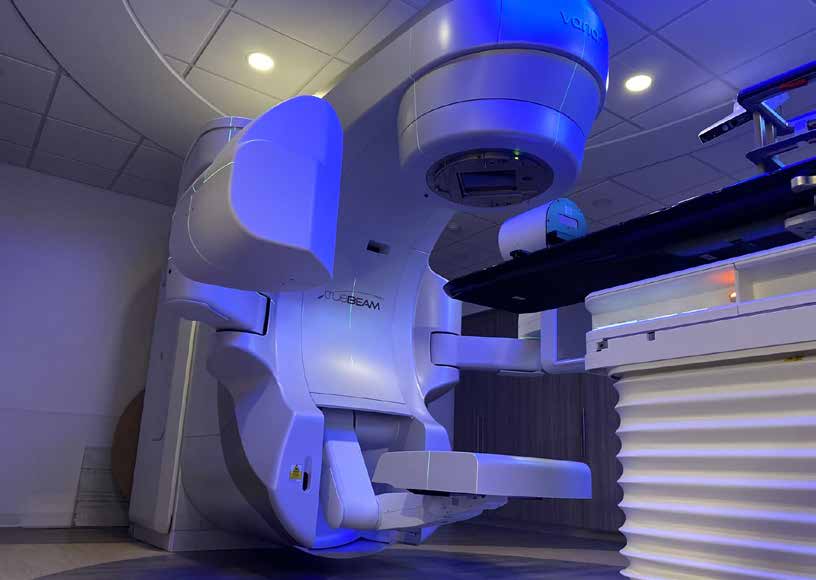
The radiation oncology team at Bassett, led by Timothy Korytko, MD, Radiation Oncologist-in-Chief, provides treatment technologies that offer patients the most effective cancer treatments available. 

Dr. Korytko said that in the last five years, the radiation oncology field has seen a big increase in the types of radiopharmaceutical drugs available for cancer treatment. He highlighted two drugs specifically that are available at Bassett: Lutathera, a special treatment for neuroendocrine cancer, and Pluvicto, a radioactive IV treatment used for prostate cancer. Dr. Korytko shared that patients come to Bassett for these kinds of treatment options, and he said the rural setting helps the team provide the best care for patients.
“We’re giving novel therapies, which sets us apart from just being a rural hospital that provides the basics. We were one of the earliest sites giving Lutathera and Pluvicto. We have a team that’s very committed to bringing the best care we can to our patients. And we treat them in a place that’s a comfortable, community based treatment location. You could go to a larger, metropolitan center and get lost in the traffic and crowds, or you can come here and get treated a little bit more like family. To be able to offer this type of care here is really a testament to our investment in doing the right thing,” said Dr. Korytko.
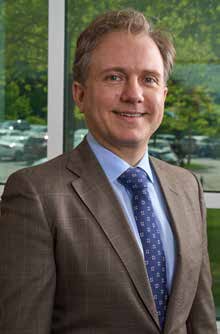
“The technology allows us to deliver radiation much more precisely to maximize killing the cancer and minimize side effects on other organs,” explained Dr. Tinger. “Dr. Korytko pioneered bringing this technology here to Bassett, and he’s grown the program immensely, so it’s basically become a regional referral center for all of Upstate New York.” 

Bassett also offers additional treatments through 11 clinical cancer trials. Dr. Korytko noted that the team has collaborated with a company called Alpha Tau Medical to investigate a new implanted radiation treatment, which may lead to novel approaches for treating cancer in the future. Alpha DaRT™ (Diffusing Alpha-emitters Radiation Therapy) is the first localized anticancer therapy to leverage the specific therapeutic properties of alpha particles to treat solid tumors.

“We’re involved in radiation clinical trials using an investigational radiation implant to treat skin cancer,” Dr. Korytko stated. “We’ve been enrolling patients in a study for recurrent skin cancer who have limited treatment options. We’re one of the first sites in the country to be involved in this clinical trial and are the first in the U.S. to open a clinical trial investigating this device in treating pancreatic cancer.”
Patient-Focused, Multidisciplinary Team 

Treating a wide array of adult cancers, the multidisciplinary team at Bassett Cancer Institute works together to provide specialized care and treatments that are personalized to each unique patient. Dr. Korytko explained how patients benefit from collaboration among the healthcare providers at Bassett.

“Each patient and each circumstance is unique. A lot of times we make decisions as a team. One of the nice things about Bassett and one of the reasons I wanted to join the team here is because we really focus on caring for the patient collaboratively. We discuss and make individualized decisions for patients based on what makes sense for their specific circumstances,” said Dr. Korytko.

The team of over 100 diverse staff members at Bassett Cancer Institute is comprised of nurses (including clinic nurses, infusion nurses, and nurse navigators), support staff (including social workers, financial counselors, nutritionists, and administrative staff) and radiation therapists. Anush Patel, MD, Chief of Medical Oncology and Hematology, shared how patients recognize the high-quality care offered by this multidisciplinary team.
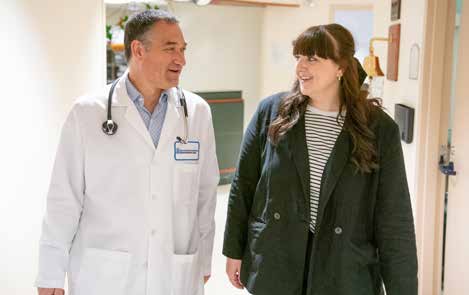
“Our patients are appreciative of what we do. They really value Bassett being in their neighborhood and they value the quality of care we provide. Specific to the cancer center, I think we have extremely collaborative networks here that include our extensive, patient focused support system. We’re a very small oncology group and we know each other quite well. We’re accessible to each other almost all the time. I think that really makes care much more seamless than you would otherwise find in a fragmented system. It makes us stand out in the area, and even at the national level, that we are providing fantastic care in a rural setting,” said Dr. Patel, who also highlighted the unique transportation support system offered at Bassett, which helps ensure patients who face transportation challenges across the  health system’s rural communities can come from their homes to the cancer center for appointments and treatments.
Specialized, Seamless Cancer Care

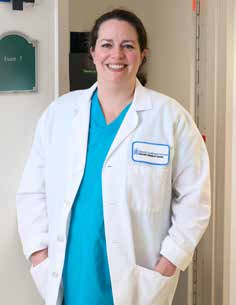
Within the multidisciplinary team at Bassett Cancer Institute are highly specialized healthcare providers who care for patients with specific types of cancer and other disorders. As the Chief of Hematology and Oncology, Dr. Patel provides treatment for patients with leukemia, lymphoma and non cancerous disorders like blood clots or hemophilia.

“We are trained especially in noncancerous blood disorders, along with malignant hematology, which is leukemia and lymphoma, as well as medical oncology, which involves solid tumors. It’s quite seamless because someone who gets chemotherapy might have a complication of low blood count, so we need to be quite well trained and comfortable with dealing with the anticipated complications,” explained Dr. Patel. 
Another highly specialized and trained physician at Bassett Cancer Institute is Elizabeth Pelkofski, MD, Gynecologic Oncologist, who joined the Bassett team in 2023.

With extensive experience in gynecologic oncology, Dr. Pelkofski provides diagnosis  and treatment for a wide array of cancers, including cancers of the cervix, ovaries, uterus, fallopian tubes, vagina, vulva and peritoneum, as well as cancers associated with pregnancy. Treatment options she offers are complex pelvic surgery, chemotherapy, immunotherapy, radiation therapy, hormone therapy and assistance with clinical trials, depending on specific patient needs.

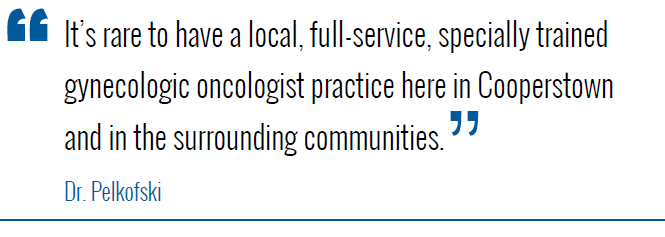
“Gynecologic oncology is a very specialized surgical subspecialty, so patients in rural areas can be very underserved and must travel very far for care. It’s rare to have a local, full-service, specially trained gynecologic oncologist practice here in Cooperstown and in the surrounding communities. With all the therapies we provide, between surgery visits, chemotherapy, radiation and more, our relationship with patients isn’t a one-time point of care. That’s a big reason why it’s such a benefit to have localized care in a smaller center with more focus on patients and their needs,” said Dr. Pelkofski.


Although a referral is needed for patients to see Dr. Pelkofski, she offers rapid appointment access for patients with complex gynecologic conditions and cancers. Practitioners who wish to refer a patient should contact Bassett Cancer Institute at 607-547-3336.

“I think all oncologists work hard to see patients as quickly as possible, not only because it’s so stressful to have a cancer diagnosis or a potential diagnosis, but also because patients often experience debilitating symptoms. They may have bleeding or be in a lot of pain because of their cancer,” shared Dr. Pelkofski. “It’s not unheard of, depending on the condition and the patient, to be seen the same day or the next day, and with invasive cancer almost always within a week. We try to be fast.”

Expanding the Network of Dedicated Providers

Despite being a multidisciplinary team serving and treating patients with many different types of cancer, the physicians at Bassett Cancer Institute seem to have an important thing in common with each other: a passion for the team of people they work with, especially regarding how each provides a high level of care for patients.

“After I was trained at Bassett, I went out to a  larger institution, and the reason I came back to Bassett is the people. The people that we work with every day genuinely want to make a difference in patients’ lives. We’re very patient focused and we truly take pride in providing exceptional cancer care to our community,” said Dr. Patel.

Dr. Pelkofski echoed Dr. Patel’s sentiments, highlighting the elevated culture at Bassett that allows patients to stay at the center of the team’s focus.

“It’s a really wonderful culture. Everyone goes above and beyond, and the focus is on work and taking care of patients. I think culture can be the hardest thing for a company to create, and we just have it here,” she said.

Dr. Korytko highlighted the autonomy providers have within Bassett’s network of more than 525 practitioners, explaining how opportunities arise not only for providers to grow their careers but also for the expansion of treatment technologies at the facility.

“One of the reasons I came to Bassett was because of the opportunities. The way the leadership is structured,  there’s a focus on each physician’s unique skills. Physicians really drive the direction of patient care. Subsequently, when new technologies become available, the hospital tries to help us get those new technologies here as much as they can. To be in a place that is so supportive of these endeavors has always been really important to me,” Dr. Korytko said.

As new team members are added at Bassett Cancer Institute, and as they care for more patients across Central New York, plans are being made for exciting facility expansions. Funding is currently being raised to expand and modernize Bassett Cancer Institute’s oncology unit at FoxCare Center in Oneonta, one of the network’s most utilized cancer treatment centers in a university town with a larger population. The goal is to provide an enhanced environment for patients and practitioners alike.

“We’re kind of outgrowing our space, so we’re investing in a new cancer center by building out and expanding the oncology unit inside FoxCare Center,” stated Dr. Tinger. “The plan is to expand the space, so we’ll have more room for offices and exam rooms, including private rooms for infusions.  We have pending plans for expansion in our other offices, as well.”
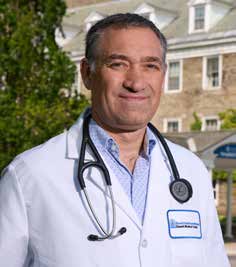
As the teams and the locations grow, however, the mission of Bassett Cancer Institute, as described by Dr. Tinger, will remain the same: “Our mission is to take great care of patients with cancer. Hearing you have a cancer diagnosis puts someone in a very vulnerable position. We exist to remove the vulnerabilities and give people hope.” 
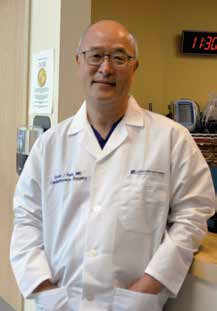
Learn more about Bassett Cancer Institute by visiting bassett.org/cancer. Call 607-547-3336 to make a patient referral or inquire about Bassett’s clinical trials.


Mental Health Access

By: Kathryn Ruscitto, Advisor

Recent conversations with families seeking mental health resources have highlighted the severe challenges in accessing psychiatric care in our community. What began as routine inquiries have exposed a healthcare system stretched beyond capacity, with primary care physicians increasingly unable to connect patients with psychiatric specialists. The backlog, initially attributed to COVID-19 disruptions and workforce shortages, has reached critical levels that demand innovative solutions.

In consultation with Ann Rooney, Deputy County Executive for Human Services in Onondaga County, the scope of this challenge became clear. The County is actively responding through the Department of Children and Family Services, implementing triage systems designed to prioritize the most vulnerable patients and ensure they receive timely care. Ann also shared a tool the County recommends for physicians to consider called Clinicom (https://clinicom.com/). This algorithm helps providers assess mental health conditions in a timely manner to consider treatment options. Other counties in upstate New York, along with major health foundations from Buffalo to Albany, cite mental health and substance abuse among their top priorities for focus in the next year.

For families with private insurance and financial resources, online mental health platforms offer promising alternatives. Services like Talkiatry and BetterHelp provide access to licensed providers when traditional pathways fail, though they typically operate on a private pay basis. Online services must be licensed in your state to provide care. While often requiring private payment, they can help individuals navigate next steps and access immediate support. 

The mental health system is adapting through tiered care approaches. Psychiatrists focus on the most acute cases, while psychologists and therapists provide ongoing counseling and support for longer-term cases. This model maximizes specialist availability while ensuring comprehensive care. Primary care physicians have become frontline mental health providers by necessity. Many report managing mental health concerns, including substance abuse issues, while patients await specialist access. This reality requires staying current with available resources and access points. 

The range of inpatient beds in local health systems are critical parts of the mental health care system when individuals and families face crisis. These beds are also under severe stress from increasing demand. This adds to the crisis in access when immediate care is needed. Multiple barriers continue to impact access including rural geography limitations, insurance coverage gaps, and evolving telehealth regulations. Staying informed about available resources remains crucial for reducing patient frustration and improving care coordination. 

Thank you for all you do in supporting families facing mental health crisis.

Advances In Cardiac Technology:Diagnosis, Treatment, And Monitoring

Data from the World Health Organization indicates that cardiovascular diseases (CVDs) are responsible for approximately 17.9 million or 32% of deaths worldwide, necessitating continuous innovation in diagnostic and therapeutic technologies. Recent advances in cardiac technology have significantly improved patient outcomes, with breakthroughs spanning early detection, minimally invasive treatments, and personalized care.

Advancements in Cardiac Imaging: Enhancing Diagnostic Accuracy and Treatment Planning

One of the most significant advancements is the use of Cardiac Magnetic Resonance Imaging (MRI). Cardiac MRI is an essential tool for assessing myocardial viability, scar tissue, and heart chamber functionality. A breakthrough in MRI technology, Late Gadolinium Enhancement (LGE) imaging allows for highly accurate detection of myocardial infarction and fibrosis. This non-invasive imaging modality provides details on heart tissue structure, enabling clinicians to better predict patient outcomes and guide therapy decisions.

Another notable advancement is 3D Echocardiography. Unlike two-dimensional echocardiograms, 3D imagining allows for a more precise evaluation of cardiac morphology, valve function, and hemodynamics. This is especially beneficial when assessing mitral valve diseases and congenital heart defects, facilitating improved surgical planning and postoperative care.

Minimally Invasive Cardiac Interventions: Revolutionizing Treatment, Reducing Recovery Time, and Improving Outcomes

One of the most significant developments in recent years is the evolution of Transcatheter Aortic Valve Replacement (TAVR). TAVR, a procedure in which a catheter replaces a damaged aortic valve without open-heart surgery, has gained widespread acceptance for the treatment of aortic stenosis, particularly in elderly and high-risk patients. Advances in valve design and catheter technology have significantly improved the success rate and reduced the risk of complications, making TAVR an increasingly preferred option over traditional valve replacement surgery.

Similarly, left atrial appendage closure (LAAC) devices, such as the WATCHMAN™ device, offer a minimally invasive solution for stroke prevention in patients with atrial fibrillation. By occluding the left atrial appendage,  thrombus formation is prevented and reduces the risk of stroke, eliminating the need for long-term anticoagulation therapy in certain patients.

The Rise of Digital Health: Wearable Technology and Remote Monitoring

 Wearable devices have become integral to the management of cardiovascular diseases. Technologies such as smartwatches with built-in electrocardiograms (ECGs) can detect arrhythmias, including atrial fibrillation (AF), in real time. Devices like the Apple Watch® and KardiaMobile® capture high-quality ECG readings that can be instantly transmitted to healthcare providers for analysis, allowing for earlier detection of cardiac abnormalities and timely interventions.

Additionally, remote monitoring systems are improving the management of heart failure. Implantable devices, such as Cardiac Resynchronization Therapy CRT) devices and implantable cardioverter-defibrillators (ICDs), can continuously monitor heart function and send data to clinicians for analysis. This allows for personalized adjustments to treatment regimens and early intervention when abnormalities are detected. The use of artificial intelligence (AI) to analyze large datasets from these devices further enhances clinical decision making, making care more proactive and individualized.

The Landscape of the Future

Cardiac technology continues to make tremendous strides, improving the ability to diagnose, treat, and monitor cardiovascular diseases. Advances in imaging techniques along with minimally invasive procedures have revolutionized management of heart disease. Furthermore, wearable technologies and remote monitoring systems are ushering in an era of personalized, continuous care, enabling better management of chronic conditions like heart failure and atrial fibrillation. As technology continues to evolve, these innovations promise to further transform cardiovascular care, improving patient outcomes and quality of life.

Claims-made vs. Occurrence Insurance Policies:Understanding the Differences, Benefits, and Drawbacks

By: Jenn Negley, Vice President, Risk Strategies Company

When it comes to liability insurance for professionals such as doctors, choosing the right type of policy is crucial. Two of the most common forms of coverage for professionals, such as doctors, lawyers, and business owners, are claims made and occurrence  policies. While they both offer liability protection, the way coverage is triggered and how long it lasts differs significantly. Understanding these differences is crucial for individuals and organizations to avoid costly coverage gaps and ensure they are adequately protected.

What is a Claims-Made Policy?
A claims-made policy provides coverage only if the claim is made during the policy period and the incident occurred on or after the policy’s retroactive date. The retroactive date is usually the date the insured first purchased a claims made policy and continuously maintained it. For example, suppose a doctor has a claims-made malpractice policy that starts on January 1, 2022, with a retroactive date of January 1, 2020. A patient filed a lawsuit on March 1, 2023, for something that happened in 2021. Because the policy is still active when the claim is made and the incident occurred after the retroactive date, the lawsuit is covered.

Benefits of Claims-Made Policies:

Lower initial premiums:
These policies are often cheaper in the early years because the insurer is only covering claims reported during the policy period, not the full history of a professional’s work.

Customizable tail coverage:
If you retire, take a break from your career, or switch insurers, tail coverage can extend your protection beyond the end of the policy. This helps cover claims that arise later from work you did while the policy was active.

Adaptability:
Claims-made policies are a good fit for professionals whose situations may change, such as a growing practice or changing insurers. However, continuity is key to avoiding coverage lapses.

Drawbacks of Claims-Made Policies:

Tail coverage can be expensive:
If the policyholder retires or switches carriers, they may need to buy tail coverage, which can cost up to 200% of the final year’s premium.

Coverage gaps: If there’s a lapse in policy renewal or the retroactive date changes, claims may be denied.

Complexity:
The nuances of retroactive dates and tail coverage can confuse policyholders unfamiliar with insurance jargon.

What is an Occurrence Policy?
An occurrence policy provides coverage for incidents that occur during the policy period, regardless of when the claim is filed. This means even if a claim is filed years after the policy expires, the insurer will still cover it if the incident occurred during the time the policy was active. For example, if a contractor has an occurrence policy from 2018 to 2020, and a claim is  filed in 2024 for a job completed in 2019, the claim will still be covered.

Benefits of Occurrence Policies:

Long-term peace of mind:
Once the policy is in place, the policyholder is protected for incidents that occurred during the coverage period, even if the claim arises years later.

No need for tail coverage:
This makes occurrence policies especially attractive for professionals who don’t want to worry about coverage after retiring or changing jobs.

Simplicity:
Easier to understand and manage over time, since there’s no concern over retroactive dates or claim reporting timelines.

Drawbacks of Occurrence Policies:

Higher premiums:
These policies usually cost more upfront than claims made policies, reflecting the broader protection they offer.

Limited availability:
Some insurers offer only claims-made policies for specific professions or high-risk fields.

Harder to budget long-term:
Because the insurer assumes longterm liability, the policy’s true cost can be challenging to estimate or predict.

How Do You Decide Which Policy Is Right for You?
Choosing between claims made and occurrence policies often depends on your financial situation, career stage, and risk preferences.

• Early career professionals may prefer claims-made policies for their lower initial cost.

• Established professionals or those nearing retirement might lean toward occurrence policies for their lasting protection.

• Those who switch jobs or insurers frequently must carefully manage claims made coverage to avoid gaps.

Both policy types have their place, and the best choice depends on your specific situation. Consulting with an experienced insurance broker can help ensure your coverage aligns with your needs, career plans, and financial goals.

For more information, please contact Jenn Negley, Vice President, Risk Strategies, at 267-251-2233 or JNegley@RiskStrategies.com.

Renowned Cardiothoracic Surgeon Dr. Soon J. Park Joins The Albany Med Health System

Soon J. Park, MD, renowned both locally and internationally for his expertise and scientific contributions to cardiothoracic surgery, has joined the Albany Med Health System. He will serve as surgical director of cardiovascular services at Albany Medical Center, and he will collaborate with colleagues across the System to elevate a coordinated, regional approach to cardiovascular care.

“The level of expertise Dr. Park brings to the Albany Med Health System’s cardiovascular services is unmatched in the region,” said Alan S. Boulos, MD, The Lynne and Mark D. Groban ’67 Distinguished Dean of Albany Medical College. “His surgical talent and decades of experience and insight will benefit patient care, medical education, and surgical training for years to come.”

Dr. Park is an expert in all aspects of adult cardiothoracic surgery, including ischemic heart disease, mitral valve repair, aortic aneurysm repair, and septic myectomy for hypertrophic cardiomyopathy.

Through partnerships between hospitals and the implementation of a unified electronic medical record, the Albany Med Health System has expanded access to heart and vascular care for more patients in more places. Referrals to higher levels of care are also made easier with more resources in one network. According to Dr. Park, those connections provide the framework to reinforce a comprehensive team approach to care.

“Albany Medical Center, Columbia Memorial Health, Glens Falls Hospital, and Saratoga Hospital each hold a critical role in their communities,” Dr. Park said. “Their collective strength sets our System apart. There are tremendous opportunities to deepen our
commitment to collaborative, patient centered care that positions the Albany Med Health System as the premier cardiovascular program in the region.”

A respected educator, scientist, and advisor, Dr. Park also said he is glad to return to academic medicine. He has mentored dozens of residents and fellows and has led several National Institutes of Health (NIH) trials. The intersection of patient care, research, and education, Dr. Park said, is where patients can find
the most contemporary and innovative care available.

“As a tertiary medical center, Albany Medical Center provides the research infrastructure, community resources, and missions to care, teach, and discover,” Dr. Park said. “It’s a privilege to teach the future generation better ways to deliver care based on research and education, and to be among fresh minds.”

Dr. Park will also serve on a newly created System-wide cardiovascular steering committee comprised of cardiac leadership throughout the System, as well as care partners at Capital Cardiology Associates, aimed at guiding and overseeing resources, data, and quality, and fostering opportunities for collaboration and enhanced efficiency in cardiac care.

An advisor or a member of the editorial boards of several prestigious journals throughout his career, Dr. Park has published nearly 200 peer reviewed articles or book chapters. He also is credited for pioneering a procedure used to close an aortic valve to prevent leaking during placement of a left ventricular assist device (LVAD) implant, aptly called the Park Stitch. 

Dr. Park’s experience has taken him across the country. He has held leadership positions at the Mayo Clinic College of Medicine in Rochester, Minn.; the University of Minnesota; California Pacific Medical Center in San Francisco; Rochester General Hospital in Rochester, N.Y.; and University Hospitals Case Medical Center and Case Western Reserve University School of Medicine in Cleveland. In the Capital Region, Dr. Park was the chief of cardiac surgery at St. Peter’s Health Partners and a member of Albany Cardiothoracic Surgeons. He completed residencies in thoracic surgery at the University of Minnesota and general surgery at the University of Washington. He earned his medical degree from the University of Chicago.

The Albany Med Health System provides heart care using the latest techniques and leading-edge surgical procedures to address routine and complex medical issues. Because the System is an academic health system, all System patients have access to the most advanced care, clinical trials for new treatments and devices, and they benefit from the ongoing research conducted at Albany Medical College. 

Cardiothoracic surgeons at Albany Medical Center perform a wide range of cardiac procedures on patients of all ages. They have led the way in heart care for decades and have performed many of the region’s first heart procedures, including the first open heart surgery on an infant. They also teach at Albany Medical College. Albany Medical Center cares for more cardiology patients, performs more cardiovascular and vascular surgeries, and has the largest coronary care unit than any other health care provider in the Capital Region. 

St. Peter’s Bariatric and Metabolic Care: An Integrated Weight Loss Team Working Together for Patient Success

By: Elizabeth Landry

Obesity is a major chronic disease affecting many adults in the United States. At St. Peter’s Health Partners, the St. Peter’s Bariatric and Metabolic Care team treat obese and overweight patients in the greater Albany area, from Saratoga County, to Vermont, Western Massachusetts and even as far South as Poughkeepsie. Working out of both Samaritan Hospital and St. Peter’s Hospital, the multidisciplinary team includes providers specializing in bariatric surgery, internal and bariatric medicine, nutrition, and behavioral health to support a full range of individualized care for bariatric patients.

Samuel Hykin, MD, FACS, Director of Bariatric Surgery for St. Peter’s Health Partners, has been leading the team since 2021 and has spent over seven years performing bariatric surgery. Once patients have attended an informational seminar about bariatric medicinal options and chosen to pursue care with the team, the providers put together a weight loss plan that looks different depending on each patient’s needs and goals, as Dr. Hykin described.

“We really focus on individualizing strategies and procedures for patients, meeting them where they are in their journey. We look at the patient as a whole, determining what other medical comorbidities they have and what their goals are in terms of how much weight they want to lose. Whether patients decide bariatric surgery is right for them, or if they prefer to go the non-surgical route, our integrated team approach helps support them in reaching their goals,” said Dr. Hykin.

Minimally Invasive Bariatric Surgery Options

For many patients experiencing obesity, bariatric surgery is selected as the best strategy to help them reach their targeted weight loss. At St. Peter’s Bariatric and Metabolic Care, patients are required to receive several clearances to qualify for surgery, which helps to ensure patients are ready and can be as successful as possible. Prior to receiving a date for surgery, patients must achieve 5% weight loss, receive clearances from nutrition, behavioral health, and cardiology, have an endoscopy and possibly also a sleep study. To be considered for surgery, patients need to have a BMI (body mass index) of 35-40 or higher and may need to have at least one of the comorbidities associated with obesity, including diabetes, high blood pressure, sleep apnea and high cholesterol.

There are two main surgical options offered at St. Peter’s, a sleeve gastrectomy and gastric bypass, both minimizing parts of patients’ digestive systems, which can result in a loss of between 50-75% of excess body weight. Dr. Hykin explained how these surgeries have become significantly less invasive over the years, with most patients now able to go home the day after surgery.

“About ten years ago, medical society made a shift toward minimally invasive surgery and shorter hospital stays which have dramatically improved patient outcomes,” said Dr. Hykin. “Right now, I complete a gastric sleeve surgery in three to five small incisions, and a gastric bypass is done in four to five small incisions. Patients can be in and out relatively quickly and get back to their everyday lives without much interruption.”

Importantly, improved patient outcomes are tied to lower complication rates. Dr. Hykin has consistently achieved a 

complication rate at or below the national average while performing bariatric surgery at St. Peter’s, and the patient success rate at the bariatric care center has remained strong at about 85-90% even while seeing a high volume of patients.

In fact, the bariatric surgery center located at St. Peter’s Hospital has received the Bariatric Center of Excellence designation from the American Society for Metabolic and Bariatric Surgery (ASMBS), 

which requires a stringent certification process in addition to high patient success rates and low complication rates.

“The process is about patient safety, protocolizing your approach, low complication rates, quality follow-up care – all of that combined. If you meet the bar, you’re granted Center of Excellence status, and you must recertify every three years. During those next three years you need to continue to meet the standards you were originally qualified by, and the ASMBS reviews 

that time to ensure the standards were achieved. It’s a very rigorous process but it 

ensures excellence in bariatric care, which is what makes it so 

important,” stated Dr. Hykin.

Multidisciplinary Approach to Metabolic Medicine

Whether patients opt for bariatric surgery or if they choose to work toward weight loss using non-surgical strategies, the integrated, multidisciplinary team at St. 

Peter’s offers cohesive support to help patients overcome obesity. Leading the way in non-surgical bariatric medicine at St. Peter’s is Priyangika Pathirana, MD, board-certified bariatric medicine and internal medicine physician, who’s been with St. Peter’s Health Partners for about 17 years.

Dr. Pathirana’s approach to bariatric medicine involves four main strategies: changes in diet and nutrition, changes in exercise, behavioral modification, and medications, when appropriate. Her strategy for patients is highly customized based on each patient’s individual needs, and she explained how the process and the goals are about much more than reaching a target weight.

“My goal for each patient is to help them become a healthier person, medically and psychologically. It’s not just about appearance – it’s about much more than the weight. Patient goals are very individualized, and so we receive a full patient history and create an individualized plan for how to change their eating and exercise habits. For example, some people cannot do regular exercises so we may teach them how to do chair exercises. It’s certainly not a ‘cookie-cutter’ type of approach,” said Dr. Pathirana.

Working with Dr. Pathirana to provide customized plans for weight loss through diet and exercise is a team of three registered dieticians including Lauren Zielinski, RD. Seeing non-surgical metabolic patients as well as surgical patients both pre- and post-operatively, Zielinski and the team help guide patients in balancing out their meals, focusing on a low-carbohydrate and higher-protein diet to achieve weight loss goals.

Zielinski aims to provide realistic strategies for patients that help them be more likely to achieve success. “I like to meet patients wherever they’re ready to make changes. I’m all about sustainability and being realistic with where the patient currently is and what changes they want to make,” she said.

Rounding out the integrated medical weight loss team is Alyssa Kontoh, licensed mental health counselor and board-certified bariatric counselor. She completes psychological assessments for patients pursuing surgery and offers support for any patient needing mental health guidance, including non-surgical patients seeing Dr. Pathirana, as well. Many patients have been struggling with obesity and weight issues since childhood, and Kontoh works with patients regarding their family history of eating habits, including food rules or messaging they may have carried over into adulthood.

Kontoh emphasized how the integrated team approach at St. Peter’s, as well as the support groups she offers, set the team apart from other bariatric medicine centers.

“Our office is truly based in a multidisciplinary approach,” Kontoh said. “We’re a very close office and we have very good communication with each other. We make sure we’re letting each of the other providers know if a patient may have a higher need for enhanced support as they work toward their goals. I also think the support groups we offer are a major highlight of our office – we cover topics ranging from binge eating to navigating change to the stress of the holiday season. The number of resources we offer is often surprising to patients.”

Helping Patients Attain Long-Term Success

With all the medical weight loss providers working together, the team at St. Peter’s helps set bariatric patients up for success on the rest of their journey. Once weight loss goals are reached, patients can choose to remain engaged with the office as often as they like, and surgical patients are seen regularly post-operatively at one week, one month, three months, six months, one year and yearly thereafter.

Although each provider or team of specialists at St. Peter’s approaches bariatric medicine through a different lens, a common thread that connects them all is how rewarding they each find it when they can celebrate their patients’ successes alongside them. For each, overcoming obesity is less about the number on the scale and more about the unique and often seemingly simple achievements that affect each patient’s life in different ways.

“My goal for patients is to give them their lives back,” said Dr. Hykin. “My favorite story is about a gentleman who came to me for bariatric surgery, and I asked him the true reason for why he came to our office. He told me he had been at the Great Escape over the summer and couldn’t fit into the rollercoaster with his son. He remembered riding the rollercoasters with his father when he was young and it being the best time they had together. When he couldn’t create that memory with his own son, he said that was the moment he knew he needed help. He was very motivated, completed the program, and when he came back for his six-month follow-up, he said, ‘Doc, you’re going to like this. We went back to the Great Escape, and I was able to ride that rollercoaster with my son. It was a blast.’ You can’t put a price tag on that. It was one of those moments that just sticks with you.”

Certainly, as the practice expands and grows to help support more patients in reaching their weight loss goals, the motivation for each provider at St. Peter’s will remain focused on finding strategies that work for each individual patient, as Dr. Pathirana emphasized.

“It’s the patient’s weight loss journey and I’m here to help them and offer support as needed for each individual,” she said. “It’s the simple things that really do matter, which show how their progress really affects their life. It’s a very rewarding job. This is my happy job. I so enjoy working with my patients.”